Heartburn & Indigestion
Is it Time to See a Doctor? Signs You Have Severe Heartburn or Hyperacidity
Heartburn and hyperacidity can greatly interfere with your daily life.



Discover what causes indigestion and learn tips like diet and lifestyle habits to avoid symptoms.
Summary |
Indigestion is primarily caused by dietary factors, lifestyle factors, and underlying conditions. By understanding these causes, you’ll know what you need to do to effectively reduce your risk for the condition. |
Indigestion, also known as dyspepsia, can be mildly uncomfortable at best and painful at worst. Either way, it can easily disrupt your daily life, so it’s best to just avoid it altogether—which is exactly what we’ll talk about today.
Before we talk about prevention techniques, we need to first go over what can cause indigestion in the first place, so we know what to avoid.
We can group the most common causes of indigestion into three main categories: dietary factors, lifestyle factors, and underlying conditions. Let’s take a closer look at each one:
Aside from overeating or eating too quickly, the following are also common causes of indigestion1:
Simply knowing what food causes indigestion goes a long way in preventing the condition.
Two big lifestyle contributors to indigestion are smoking and stress.2 3
Along with stress, however, research shows that other types of mental health issues—such as depression and anxiety—can also cause indigestion due to the unique interaction between the mind and digestive system called the gut-brain connection.4
In addition to the dietary and lifestyle factors we talked about, there are also certain medical conditions that can trigger indigestion, such as5:
Wondering what causes constant indigestion or functional dyspepsia? In most cases, it’s challenging to determine the actual cause3 of the condition. That said, there are a lot of treatment options available, so there’s no need to worry. Just talk to your doctor to get a proper diagnosis and treatment plan. |
Aside from getting proper treatment for any underlying conditions that may be causing your symptoms, the key to avoiding indigestion is cutting back on or completely avoiding the dietary and lifestyle factors we’ve seen in the previous section.
However, if you do still experience indigestion despite doing so, continuing to avoid or limit your exposure to these factors can help with your recovery—along with taking proper medication. Consult a doctor if your symptoms persist or worsen.
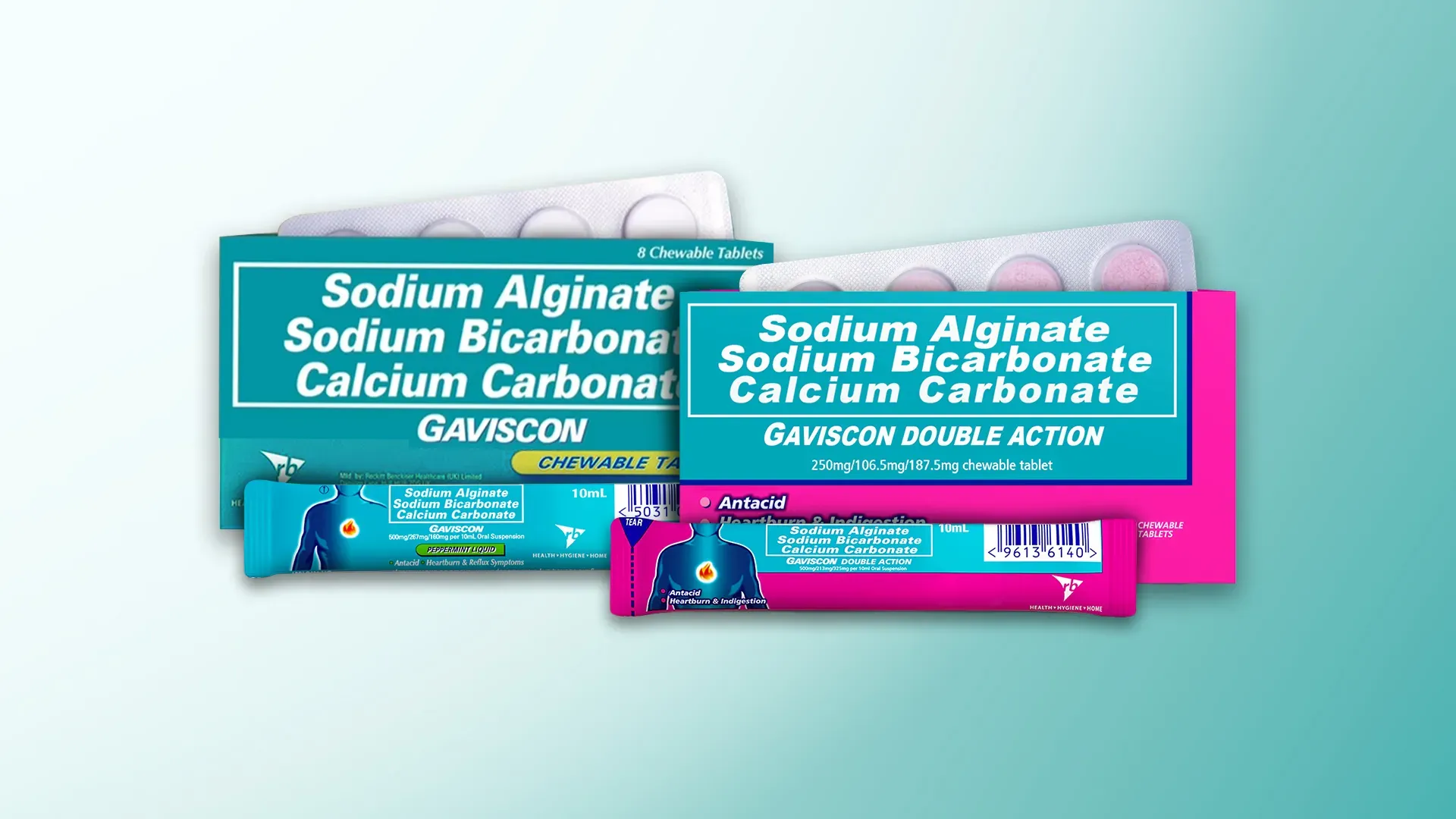
Your first line of defense against indigestion symptoms is an over-the-counter medicine like Sodium Alginate + Sodium Bicarbonate + Calcium Carbonate (Gaviscon Double Action) Liquid — specially formulated to work in as fast as three minutes for heartburn and provide lasting relief for up to four hours.
While identifying and avoiding your specific triggers is the best way to prevent discomfort, Sodium Alginate + Sodium Bicarbonate + Calcium Carbonate (Gaviscon) provides Triple Power Relief to help you manage symptoms when they do occur:
Need to stock up? Sodium Alginate + Sodium Bicarbonate + Calcium Carbonate (Gaviscon) is available at all leading drug stores and our flagship Lazada and Shopee online stores. Buy now.
Aside from Sodium Alginate + Sodium Bicarbonate + Calcium Carbonate (Gaviscon), your doctor may also prescribe you any of the following, depending on the cause and severity of your symptoms:
Talk to your doctor for more information. |
To better equip you in the fight against indigestion, here are a couple of frequently asked questions about the condition:
Acid with indigestion is often caused by excess stomach acid irritating the stomach lining. This can result from overeating, stress, or consuming certain foods or drinks.
For more information on acidity, please visit the Acid Reflux page.
A common cause of indigestion at night is eating right before bed and then lying down right after the meal. Doing so takes gravity’s ability to help keep the stomach acid your body produces to digest the food you ate down, increasing the risk of this acid flowing back up your esophagus.6
Indigestion after eating is often caused by overeating or eating too quickly. It can also result from consuming spicy or fatty foods, caffeine, or carbonated drinks.
By simply understanding what causes indigestion, you’ll know what you need to do to effectively reduce your risk for the condition. However, if you still end up experiencing indigestion symptoms despite taking the necessary precautions, an over-the-counter medicine like Sodium Alginate + Sodium Bicarbonate + Calcium Carbonate (Gaviscon) should help you get relief.
If your symptoms persist or worsen, please consult your doctor immediately.
References:
Heartburn and hyperacidity can greatly interfere with your daily life.
Manage Acid Reflux And GERD Without Giving Up Coffee. Learn Symptoms, Alternatives, And Relief
Learn How To Manage Persistent Heartburn, Its Causes, Treatments, And When To See A Doctor
Learn About Acid Reflux, Its Common Signs, And Treatment Beyond Throat And Stomach Pain
Manage GERD At Night For Better Sleep With Tips On Positions, Lifestyle Changes, And Relief Options
Learn When Acid Reflux Becomes Serious, When To See A Doctor, And Tips For Prevention And Relief
Manage heartburn with treatments, OTC meds, lifestyle tips, and when to see a doctor.
Learn The Signs Of Severe Heartburn And Hyperacidity And When To See A Doctor
Learn What Causes Heartburn, Its Symptoms, Triggers, And How To Relieve It With Gaviscon
Manage acid reflux with diet tips, foods to avoid, and relief options like Gaviscon.
Learn indigestion symptoms, causes, and treatment options to manage daily discomfort.
Manage acid reflux with lifestyle tips, OTC remedies, and know when to see a doctor.
Alamin ang mga karaniwang sintomas ng acidity sa mga babae at paano ito maiiwasan.
Alamin ang mga karaniwang sanhi at lunas sa acid reflux o pangangasim ng sikmura.
Learn the root causes of heartburn and prevention tips to manage symptoms and improve digestion.
Does buko juice help relieve acid reflux symptoms? Read to learn more.