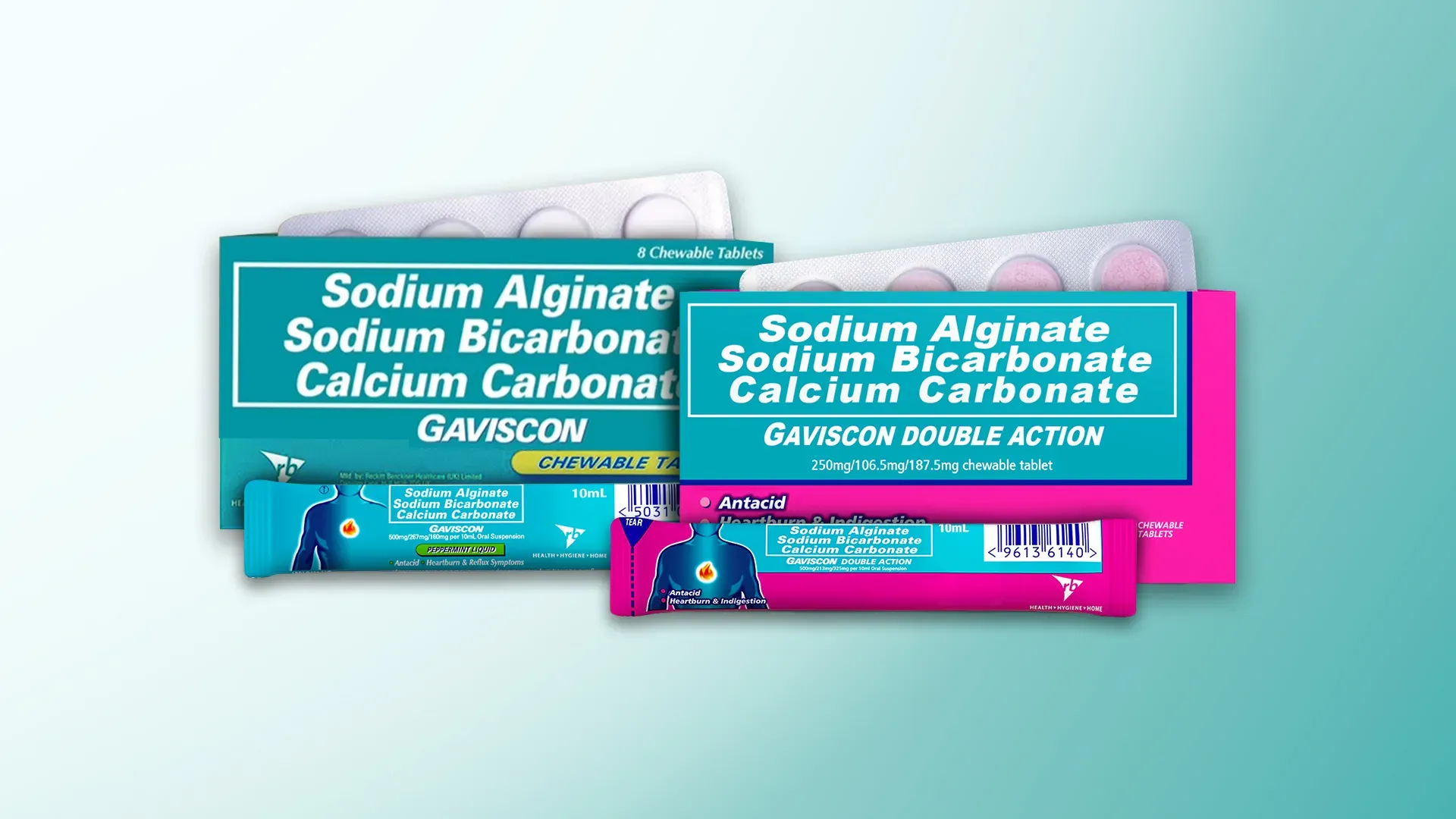


Gaviscon Double Action Sachets
Gaviscon Double Action Sachets

Relieves heartburn and indigestion
Addresses reflux and upset stomach

Works in as fast as 3 minutes (for heartburn)

Lasts up to 4 hours

View Gaviscon Double Action Sachets


What you need to know about the symptoms, causes, and treatment of GERD, a chronic acid reflux condition that leads to serious discomfort.

Ever had a great meal ruined by sudden chest pain? While many dismiss this as simple heartburn, for some it’s a chronic issue.
If your heartburn is frequent, causes food to back up, or leaves a sour taste in your mouth, you may have Gastroesophageal Reflux Disease (GERD). This chronic form of acid reflux irritates the esophagus and can significantly impact your daily life.1
Gastroesophageal reflux disease (GERD) occurs when stomach acid repeatedly flows back up into the esophagus, the tube connecting your mouth to your stomach. This backflow can cause a painful, burning chest sensation commonly known as heartburn.
Acid reflux is generally considered chronic (and classified as GERD) if you experience it at least twice a week for several weeks.1
Understanding the key symptoms of GERD is the best way to know what to watch out for if you suspect you are dealing with chronic acid reflux.
Once you have a clearer view of the symptoms you may be hit with, the next thing you need to be aware of are the kind of causes that can trigger GERD in the first place.
Keep an eye out for these common signs of GERD:1-2
Now that you recognize the symptoms, the next step is identifying what triggers them so you can manage your condition.
While occasional acid reflux is common, chronic GERD typically develops from specific underlying factors. Here are the key causes to look out for:1-3
Learning about GERD causes helps you understand your body and identify potential triggers. By recognizing these risk factors, you can take preventive steps to manage and reduce your GERD symptoms.
Mild cases of acid reflux can often be prevented through lifestyle changes. While most people experience occasional heartburn, learning how to prevent it with good habits and medication may help you find relief.
Preventing GERD starts with keeping reflux symptoms from recurring. Your first line of defense is an over-the-counter treatment like Sodium Alginate + Sodium Bicarbonate + Calcium Carbonate (Gaviscon), which targets symptoms at the source:
Sodium Alginate + Sodium Bicarbonate + Calcium Carbonate (Gaviscon Double Action) Liquid works in as fast as 3 minutes (for heartburn) and provides up to four hours of relief, helping you manage GERD symptoms.7
Making a few simple adjustments to your eating habits can significantly reduce the frequency of acid reflux:1-2,4
Modifying your daily routine can help relieve physical pressure on your digestive system and prevent symptoms: 1-2,4
Following these preventive tips can significantly reduce your chances of developing GERD. If you're already experiencing symptoms, combine these lifestyle changes with appropriate treatments like Sodium Alginate + Sodium Bicarbonate + Calcium Carbonate (Gaviscon Double Action) for GERD relief.
Before taking this medication, always read the label carefully. This medicine contains sodium and calcium. If you're on a sodium or calcium-restricted diet, consult your doctor before taking this product.
Do not use after the expiry date listed on the package (month/year).
When to seek medical attention: If symptoms persist for more than 7 days, consult your doctor.8
ASC Reference No. R0140N092126G
To help relieve the discomfort of GERD, Sodium Alginate + Sodium Bicarbonate + Calcium Carbonate (Gaviscon) products contain sodium alginate, which forms a protective physical barrier over the stomach contents to block acid from rising into the esophagus. It also contains antacids that rapidly neutralize excess stomach acid.
With this dual-action approach, Sodium Alginate + Sodium Bicarbonate + Calcium Carbonate (Gaviscon) provides relief from chronic acid reflux and heartburn, helping you manage GERD symptoms without disrupting your daily life.
Dosage for adults & children 12 years old and above: Take 10-20 mL (1-2 sachets) of Sodium Alginate + Sodium Bicarbonate + Calcium Carbonate (Gaviscon) or Sodium Alginate + Sodium Bicarbonate + Calcium Carbonate (Gaviscon Double Action) after meals and at bedtime.
For tablet formulations, take 2-4 tablets of Sodium Alginate + Sodium Bicarbonate + Calcium Carbonate (Gaviscon) or Sodium Alginate + Sodium Bicarbonate + Calcium Carbonate (Gaviscon Double Action) after meals and at bedtime, as directed.
All information presented is not meant to diagnose or prescribe. If symptoms persist, consult your doctor. Always read the label.
Relieves heartburn and indigestion
Addresses reflux and upset stomach
Works in as fast as 3 minutes (for heartburn)
Lasts up to 4 hours
View Gaviscon Double Action Sachets
Relieves heartburn and indigestion
Addresses reflux and upset stomach
View Gaviscon Double Action Tablets
Relieves heartburn and reflux symptoms
View Gaviscon Original Sachets
Relieves heartburn and reflux symptoms
View Gaviscon Original Tablets
Heartburn and hyperacidity can greatly interfere with your daily life.
Manage Acid Reflux And GERD Without Giving Up Coffee. Learn Symptoms, Alternatives, And Relief
Learn How To Manage Persistent Heartburn, Its Causes, Treatments, And When To See A Doctor
Learn About Acid Reflux, Its Common Signs, And Treatment Beyond Throat And Stomach Pain
Manage GERD At Night For Better Sleep With Tips On Positions, Lifestyle Changes, And Relief Options
Learn When Acid Reflux Becomes Serious, When To See A Doctor, And Tips For Prevention And Relief
Manage heartburn with treatments, OTC meds, lifestyle tips, and when to see a doctor.
Learn The Signs Of Severe Heartburn And Hyperacidity And When To See A Doctor
Learn What Causes Heartburn, Its Symptoms, Triggers, And How To Relieve It With Gaviscon
Manage acid reflux with diet tips, foods to avoid, and relief options like Gaviscon.
Learn indigestion symptoms, causes, and treatment options to manage daily discomfort.
Manage acid reflux with lifestyle tips, OTC remedies, and know when to see a doctor.
Alamin ang mga karaniwang sintomas ng acidity sa mga babae at paano ito maiiwasan.
Alamin ang mga karaniwang sanhi at lunas sa acid reflux o pangangasim ng sikmura.
Discover what causes indigestion and learn tips like diet and lifestyle habits to avoid symptoms.
Learn the root causes of heartburn and prevention tips to manage symptoms and improve digestion.
Does buko juice help relieve acid reflux symptoms? Read to learn more.