Heartburn & Indigestion
Is it Time to See a Doctor? Signs You Have Severe Heartburn or Hyperacidity
Heartburn and hyperacidity can greatly interfere with your daily life.



Discover what dyspepsia really is, why it happens, and how the right medicine and lifestyle changes can help you feel better faster.
Ever felt an uncomfortable pain in your belly or that "too full" sensation right after a meal? You’re likely experiencing indigestion, or what doctors call dyspepsia.
Dyspepsia isn’t a single disease; it’s a term used to describe a group of digestive symptoms like bloating, nausea, and upper abdominal discomfort. While it’s common, it can definitely get in the way of your day. To find the right dyspepsia medicine and relief, you first need to understand what's happening inside.
Dyspepsia is the medical term for what most of us know as indigestion. It’s not a single disease, but rather a term used to describe a collection of digestive issues occurring in the upper abdomen. You might experience just one of these sensations, or a combination of several at the same time.
Since dyspepsia involves multiple symptoms, you might experience one or several of these symptoms simultaneously:1-2
Though often used interchangeably, heartburn and indigestion are different conditions:
The key difference: heartburn affects the chest and esophagus, while dyspepsia affects the stomach and upper belly. However, you can experience both conditions simultaneously.1
Dyspepsia isn't always the same. For some people, it happens occasionally after a heavy meal. For others, it’s a recurring problem caused by high stomach acid or underlying conditions.
And then there's functional dyspepsia—a specific type that affects how your stomach processes food. Understanding which category applies to you is key to finding the right solution:
Recognizing which type you experience helps guide your choice of dyspepsia medicine and lifestyle adjustments.
Important: If your dyspepsia symptoms become frequent or persistent, it's worth consulting with a healthcare professional. They can help determine whether your discomfort is tied to an underlying condition like GERD or if it's functional dyspepsia. By knowing the cause of indigestion, your doctor can help you build an effective treatment plan. |
Managing dyspepsia often requires a two-pronged approach: adjusting your daily habits to prevent triggers and using the right medication to handle symptoms when they flare up.
The simplest way to prevent and manage dyspepsia symptoms is to make small changes to your daily habits. By identifying your triggers and adjusting how you eat and live, you can significantly reduce discomfort before it starts.1-2
When lifestyle changes aren't enough, dyspepsia medicine like antacids can provide much-needed relief. If your discomfort is caused by acid-related issues, antacids work by neutralizing the acid in your stomach to ease the pain quickly.
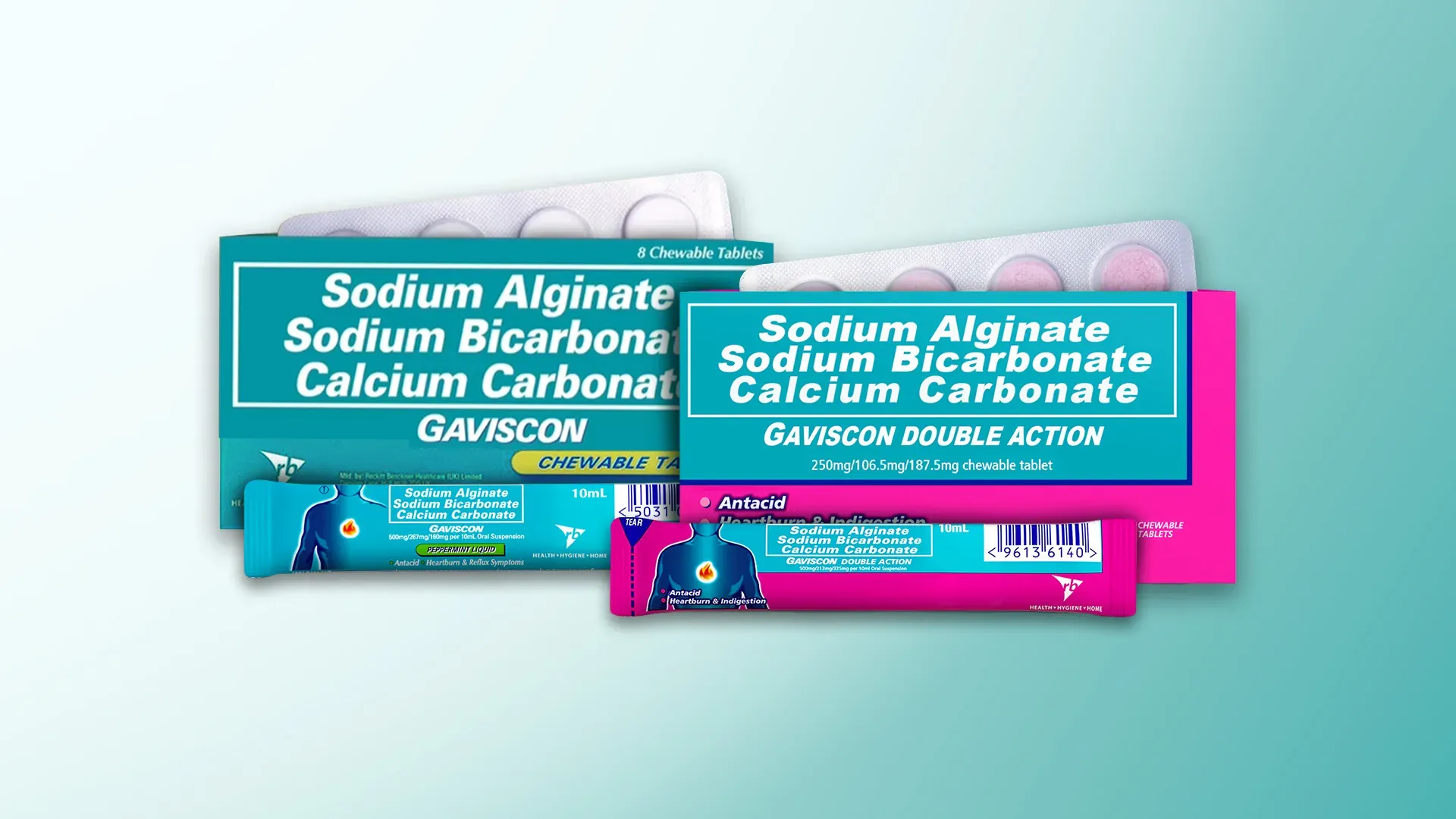
Over-the-counter options like Sodium Alginate + Sodium Bicarbonate + Calcium Carbonate (Gaviscon Double Action) Liquid offer effective, long-lasting relief from indigestion for up to 4 hours:
Need to stock up? Sodium Alginate + Sodium Bicarbonate + Calcium Carbonate (Gaviscon) is available at all leading drug stores and our flagship Lazada and Shopee online stores. Buy now.
Important: If OTC antacid medications don’t provide adequate relief after consistent use, consult with your healthcare provider. They can evaluate your symptoms more thoroughly and recommend prescription medications or other treatment options that may be better suited to your specific condition. In rare cases, surgery may also be considered for severe or persistent cases. |
While occasional indigestion is normal, certain health conditions can increase your likelihood of experiencing dyspepsia. Understanding these risk factors may help you identify potential triggers and know when to seek professional guidance.2
In most cases, dyspepsia is not a sign of a serious underlying condition. However, if your symptoms become frequent, persistent, or start affecting your daily life, it’s worth getting a proper diagnosis. Your healthcare provider can determine the root cause and recommend the most effective treatment plan for you.
If needed, your doctor may use one or more of these diagnostic methods:1
While most cases of dyspepsia are manageable, certain symptoms can indicate a more serious condition. Seek emergency medical help immediately if your discomfort is accompanied by:
These can be signs of a heart attack and require urgent attention.
Consult your healthcare provider if you experience any of the following "red flag" symptoms:
Indigestion doesn't have to control your life. Whether you're dealing with occasional discomfort or chronic symptoms, understanding the root cause is the first step toward relief. By combining lifestyle adjustments with the right dyspepsia medicine, you can manage your symptoms effectively and get back to enjoying meals without worry.
To help manage dyspepsia, Sodium Alginate + Sodium Bicarbonate + Calcium Carbonate (Gaviscon Double Action) Liquid provides long-lasting relief—forming a protective barrier, neutralizing excess acid, and soothing your digestive tract for up to four hours.
Don't let indigestion slow you down! Shop Sodium Alginate + Sodium Bicarbonate + Calcium Carbonate (Gaviscon) now at your nearest pharmacy or online at Lazada and Shopee.
References:
Heartburn and hyperacidity can greatly interfere with your daily life.
Manage Acid Reflux And GERD Without Giving Up Coffee. Learn Symptoms, Alternatives, And Relief
Learn How To Manage Persistent Heartburn, Its Causes, Treatments, And When To See A Doctor
Learn About Acid Reflux, Its Common Signs, And Treatment Beyond Throat And Stomach Pain
Manage GERD At Night For Better Sleep With Tips On Positions, Lifestyle Changes, And Relief Options
Learn When Acid Reflux Becomes Serious, When To See A Doctor, And Tips For Prevention And Relief
Manage heartburn with treatments, OTC meds, lifestyle tips, and when to see a doctor.
Learn The Signs Of Severe Heartburn And Hyperacidity And When To See A Doctor
Learn What Causes Heartburn, Its Symptoms, Triggers, And How To Relieve It With Gaviscon
Manage acid reflux with diet tips, foods to avoid, and relief options like Gaviscon.
Learn indigestion symptoms, causes, and treatment options to manage daily discomfort.
Manage acid reflux with lifestyle tips, OTC remedies, and know when to see a doctor.
Alamin ang mga karaniwang sintomas ng acidity sa mga babae at paano ito maiiwasan.
Alamin ang mga karaniwang sanhi at lunas sa acid reflux o pangangasim ng sikmura.
Discover what causes indigestion and learn tips like diet and lifestyle habits to avoid symptoms.
Learn the root causes of heartburn and prevention tips to manage symptoms and improve digestion.
Does buko juice help relieve acid reflux symptoms? Read to learn more.